Finding The Flow
Information Architect
Abstract
This study investigated how varying levels of the Gestalt principle of continuity in GUI elements affect user perception and cognitive load. Grounded in the theory that our perception favors continuous forms to reduce mental effort, the research aimed to identify if an "optimal" level of continuity exists for intuitive design.
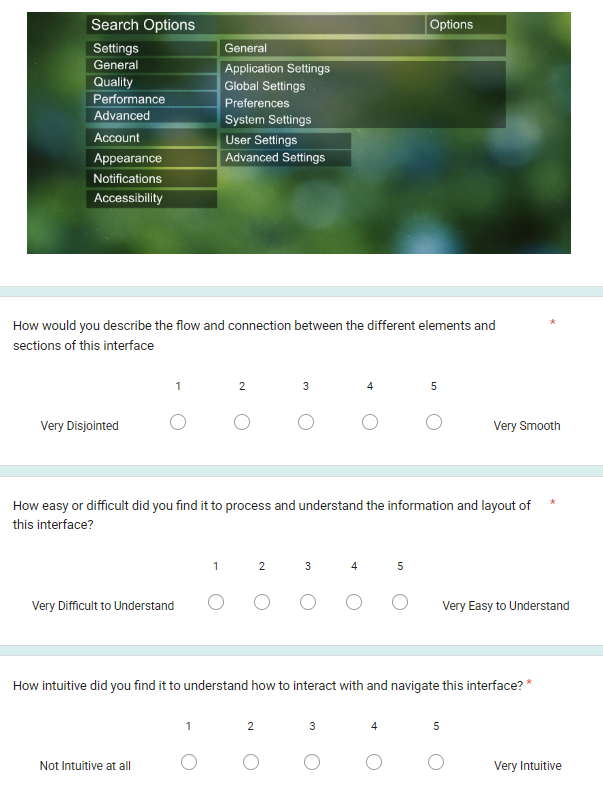
A quantitative study was conducted with 14 participants who evaluated five GUI graphics representing a standard settings interface. These visuals were systematically varied across five levels of continuity, ranging from very low to highest. Participants rated each stimulus on a 5-point Likert scale across three metrics: perceived flow, difficulty of use, and overall intuitiveness.
Multiple linear regression analysis revealed a strong and statistically significant correlation (R2 =.81, p<.001) between these variables.
The data confirmed the hypothesis that a balanced-mid level of continuity optimized the user experience, showing the strongest relationship between flow and intuitiveness. These findings suggest that an intermediate level of continuity minimizes cognitive effort, providing actionable guidelines for designers.

01. Introduction & Background
The Cognitive Burden: Breaks in continuous visual grouping disrupt a user's expectation of flow, potentially increasing the cognitive effort required to understand information hierarchy.
Gestalt Application: In UI design, the Law of Continuity is utilized to establish relationships between elements, making complex designs appear connected and easier to navigate.
Research Objective: This project aimed to find the "optimal" level of continuity that balances ease of processing with user engagement to result in the lowest possible cognitive load.
02. Methodology
Participant Pool: The study involved 14 adults ranging from 18–41 years old.
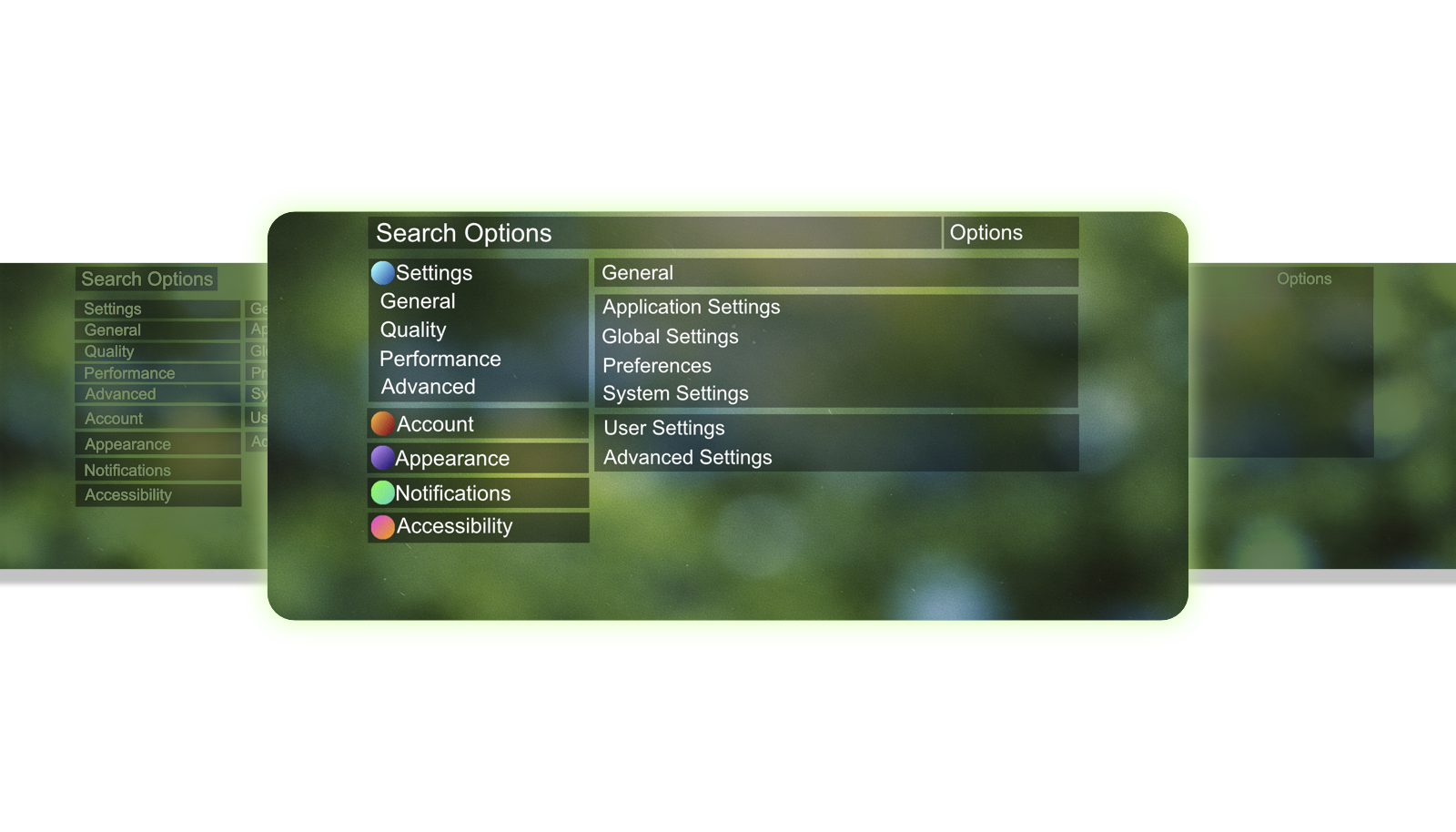
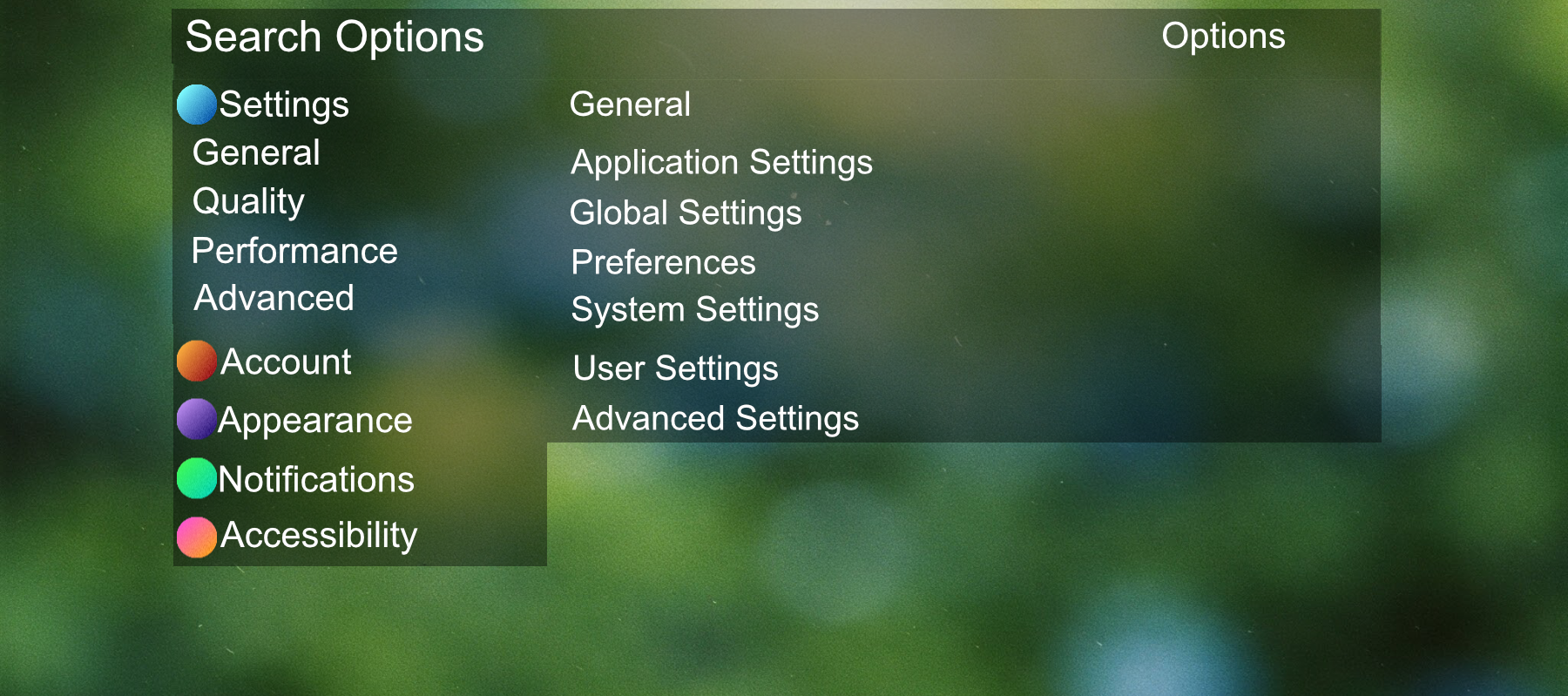
Test Stimuli: I designed five distinct GUI graphics that systematically manipulated levels of Gestalt continuity.
The Continuity Spectrum
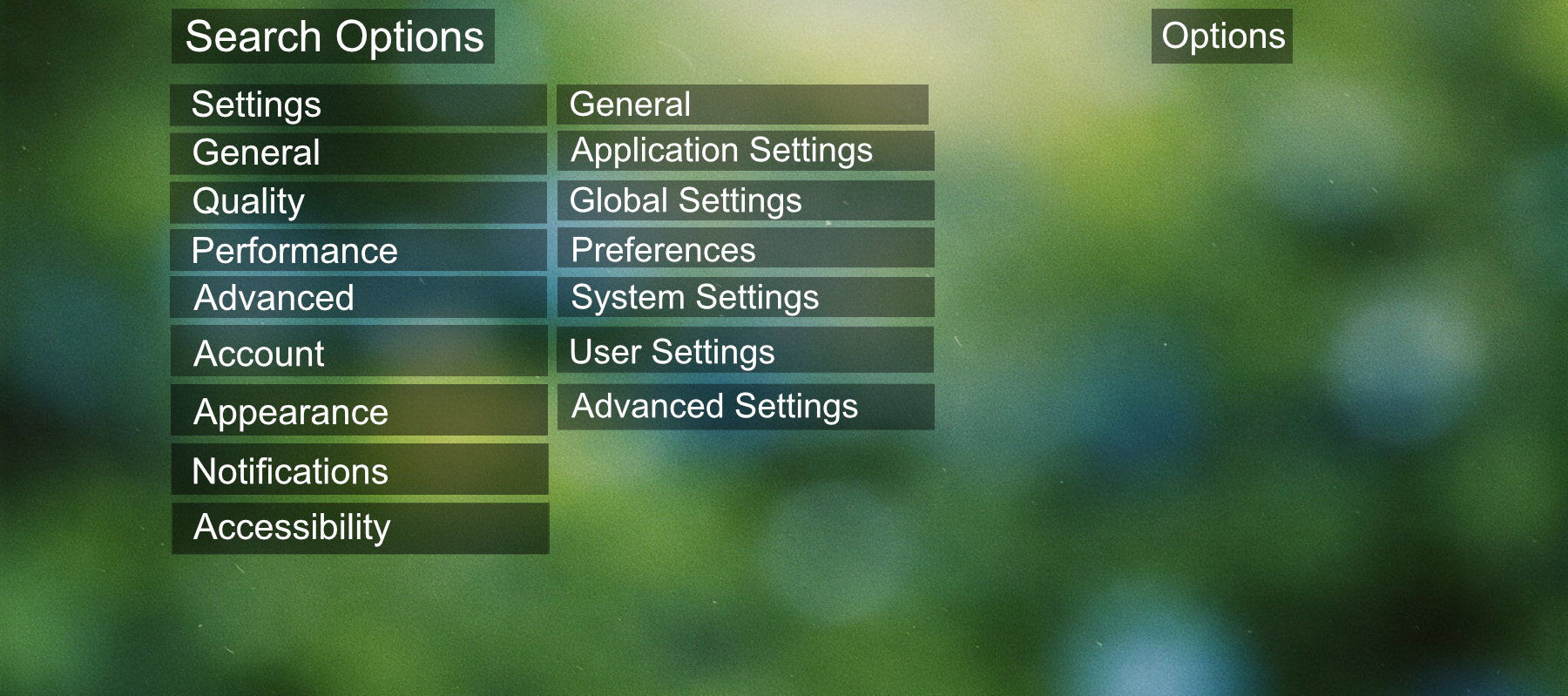
Lowest Continuity
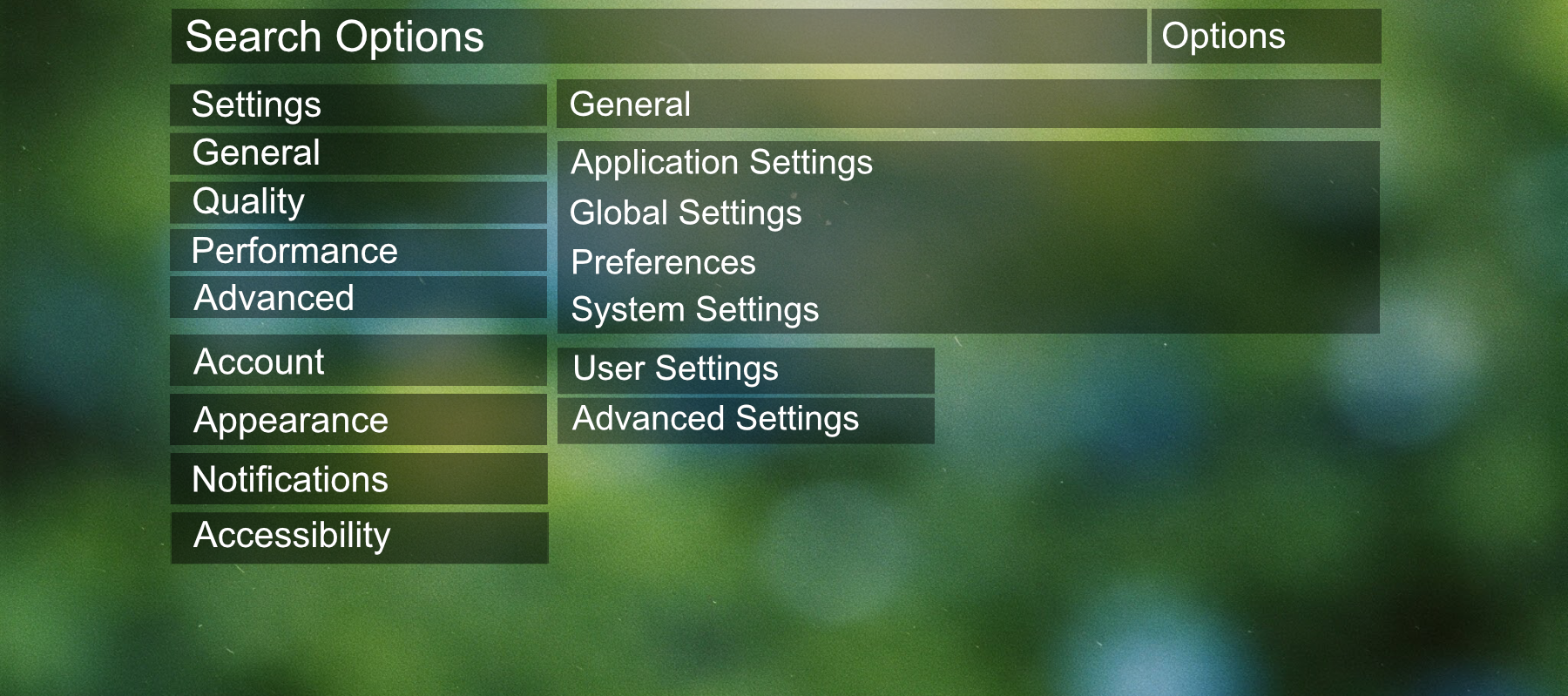
Low Continuity
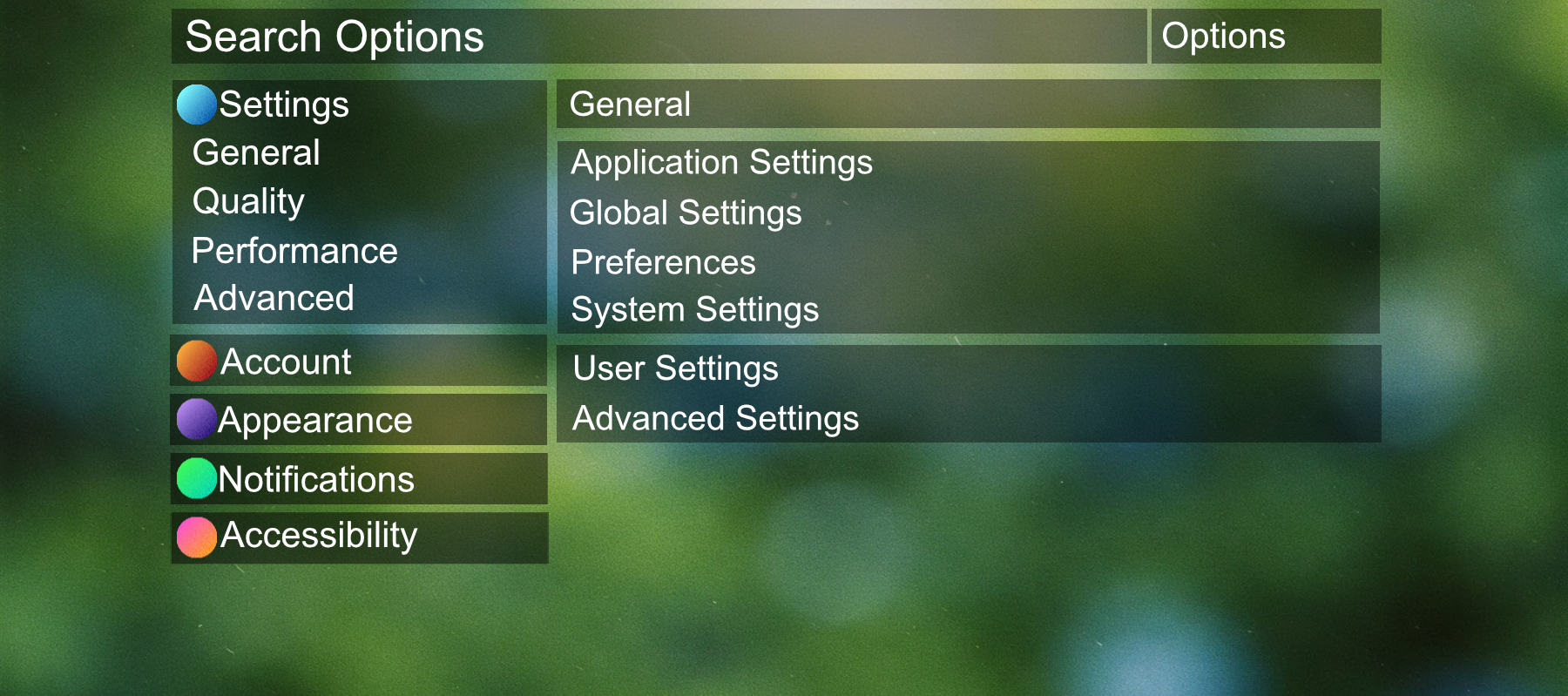
Middle-Balanced Continuity
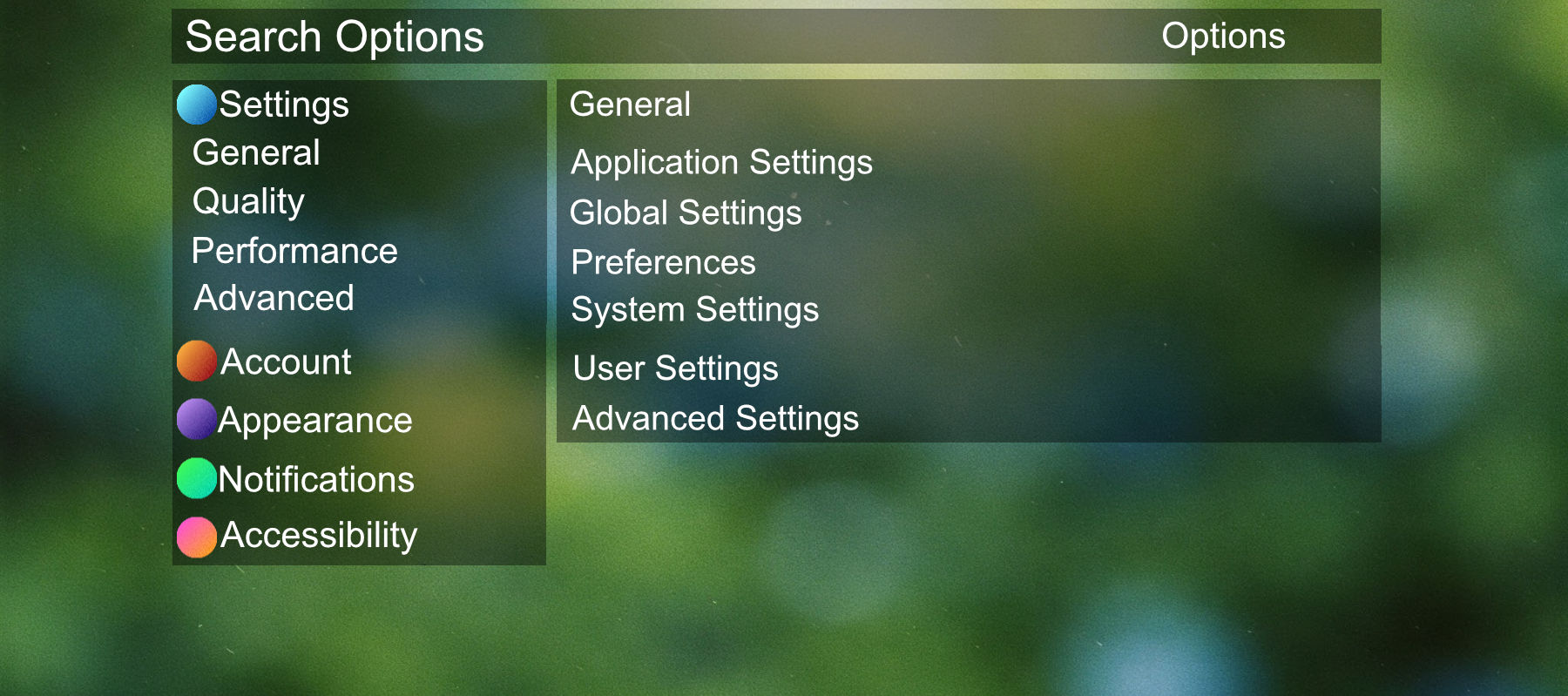
High Continuity
Highest Continuity
The Cognitive Burden: Breaks in continuous visual grouping disrupt a user's expectation of flow, potentially increasing the cognitive effort required to understand information hierarchy.
Gestalt Application: In UI design, the Law of Continuity is utilized to establish relationships between elements, making complex designs appear connected and easier to navigate.
Research Objective: This project aimed to find the "optimal" level of continuity that balances ease of processing with user engagement to result in the lowest possible cognitive load.
Randomized Experience: To mitigate potential order effects, the questionnaire sections were presented in a randomized, out-of-order sequence for each participant.
Data Collection: Participants completed the questionnaire independently in quiet environments to minimize external distractions.
03. Data Analysis & Results
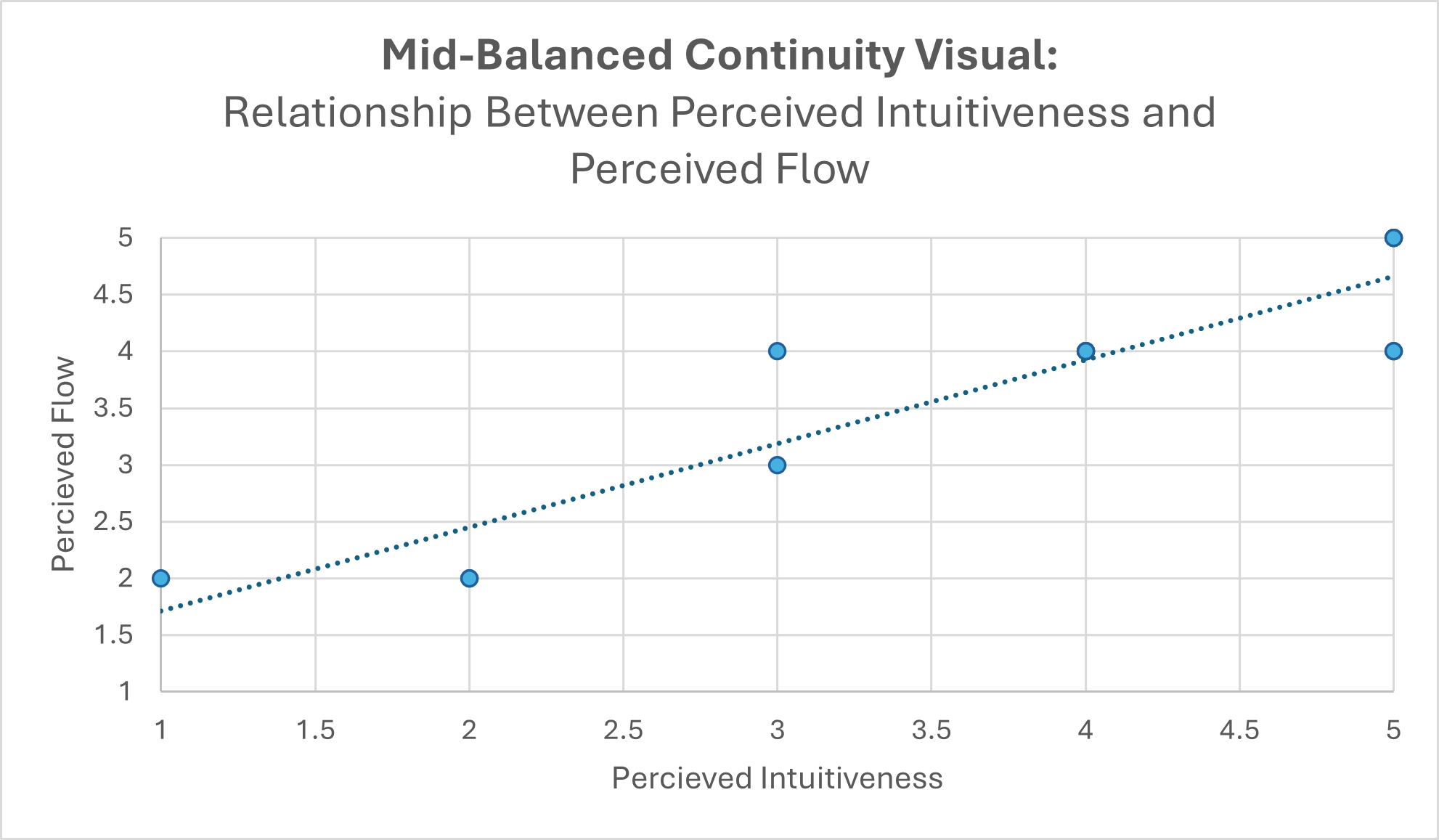
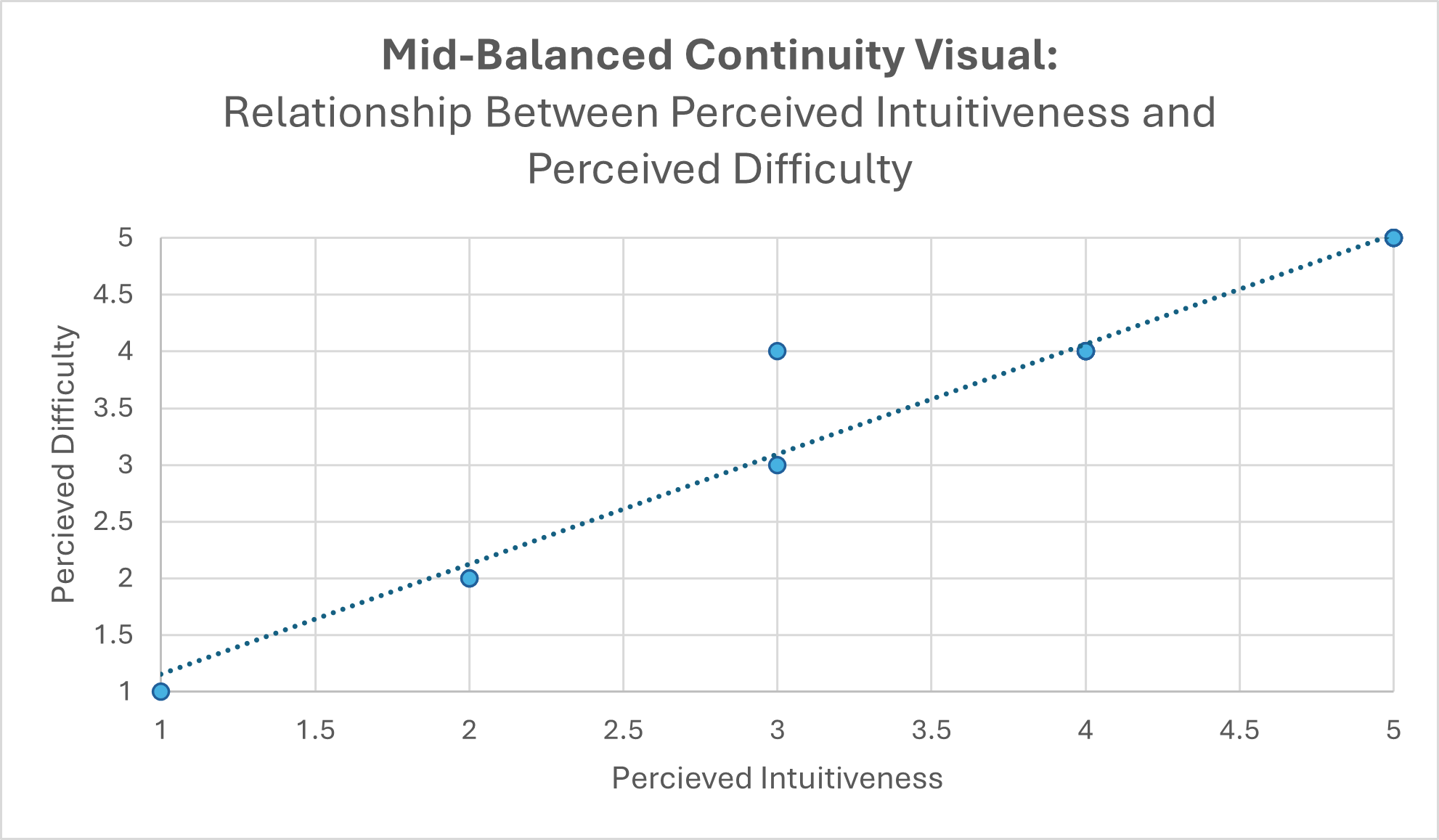
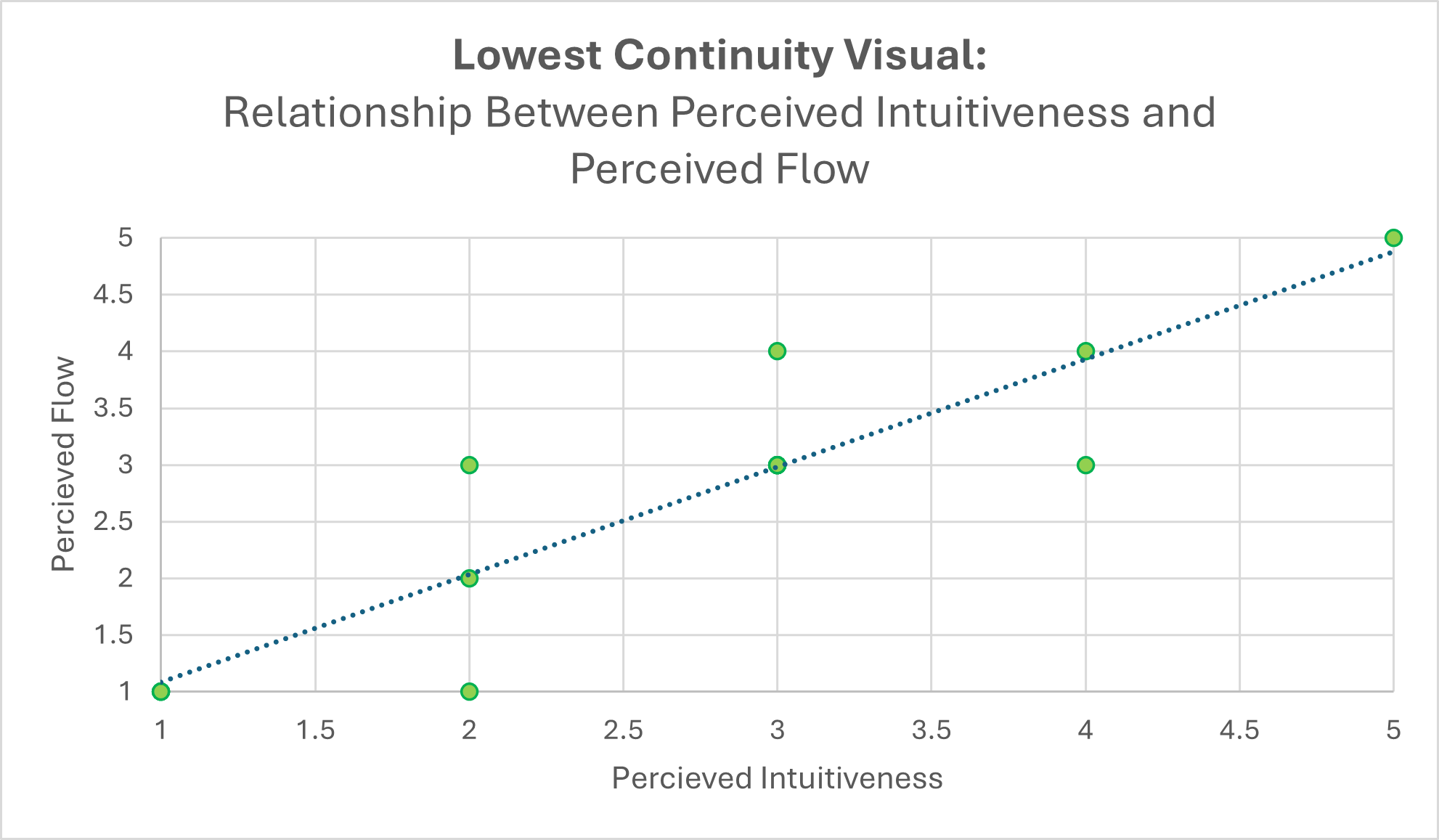
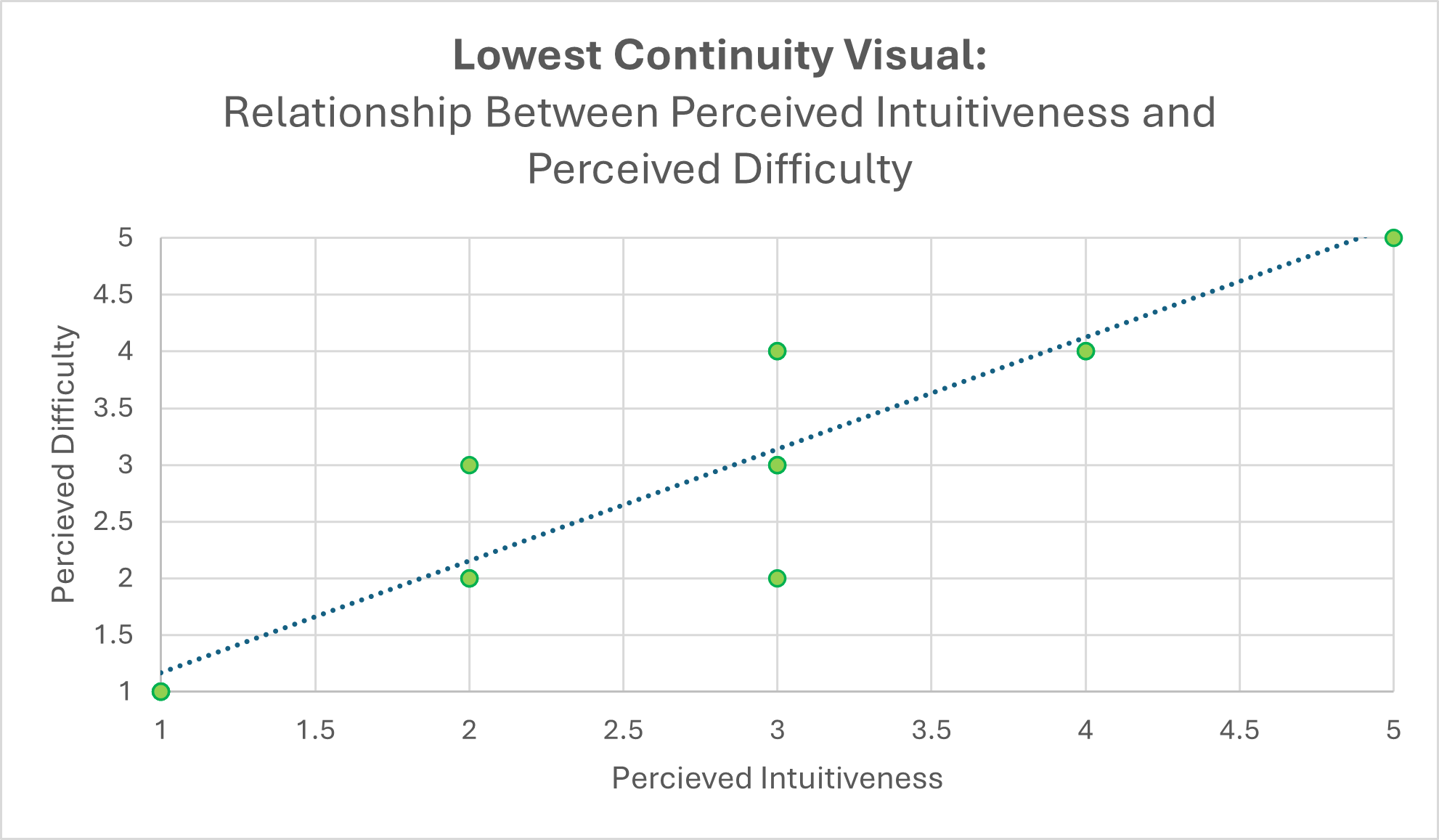
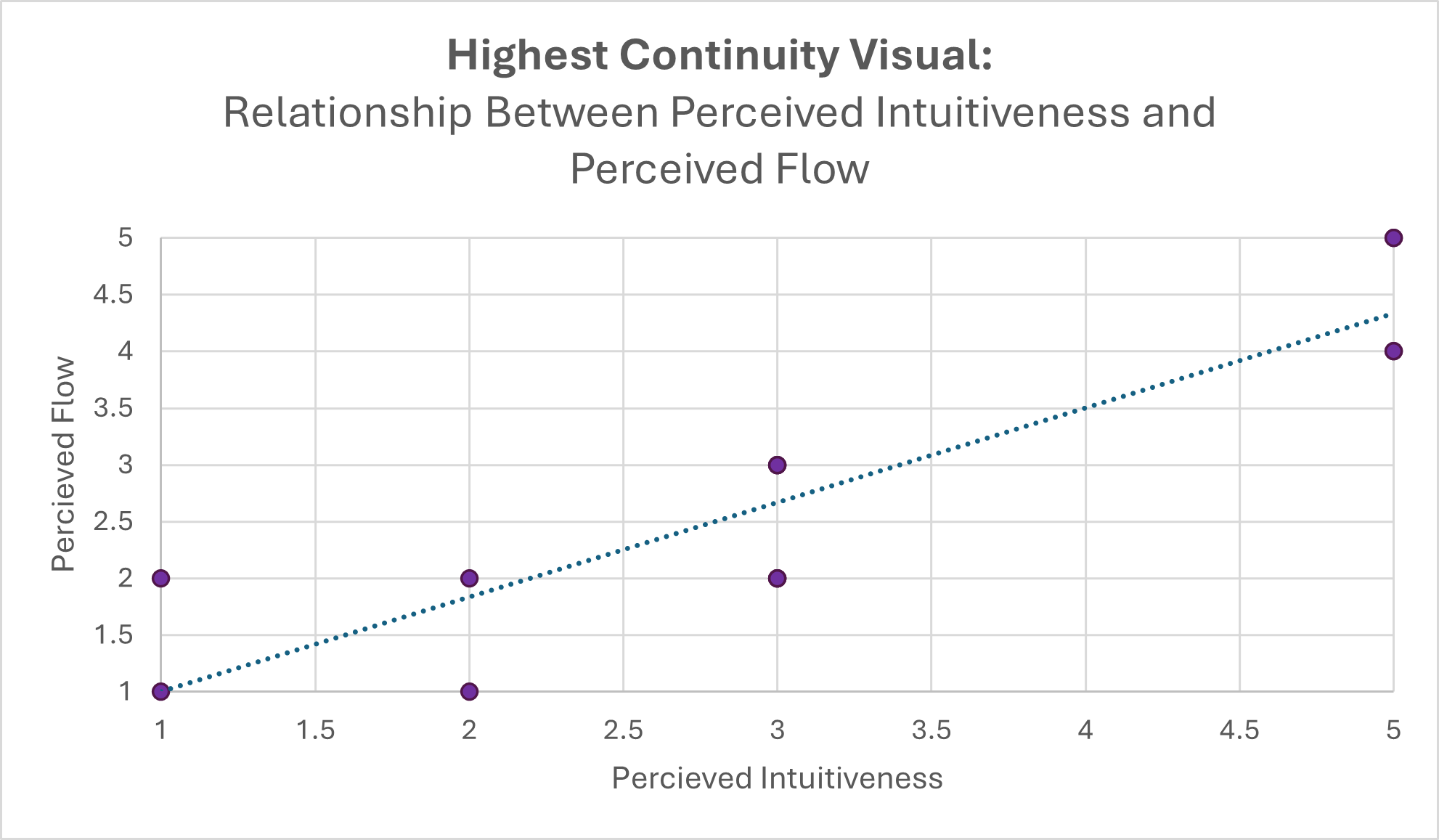
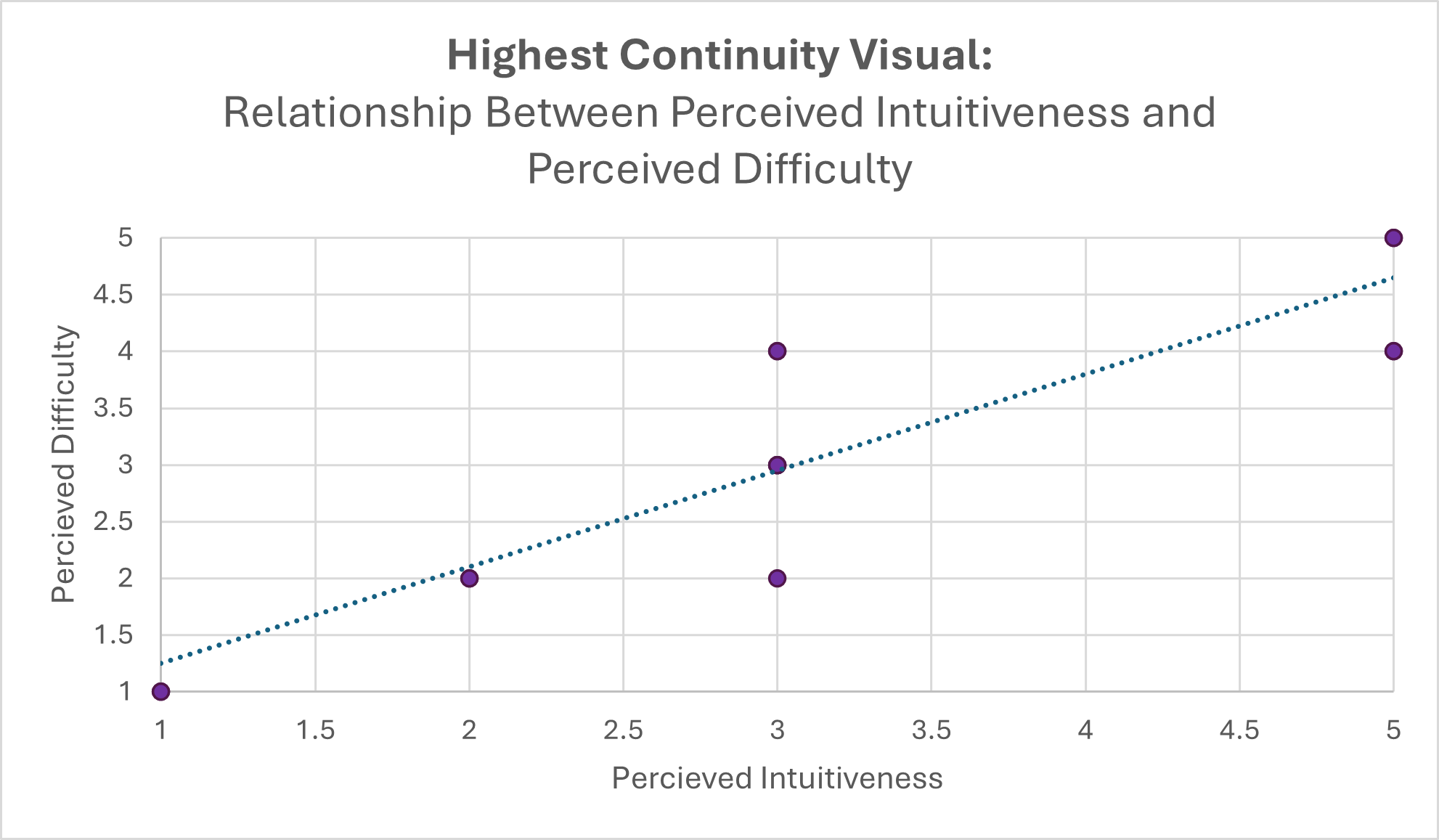
Statistical Significance: Multiple linear regression demonstrated that perceived flow and difficulty collectively accounted for 81% of the variance in perceived intuitiveness.
Predictive Values: Both flow (t=3.831) and difficulty (t=4.183) significantly contributed to the prediction of how intuitive an interface was perceived to be.
Data Clustering: The mid-balanced continuity visual showed the tightest clustering of data points around the trendline, indicating a more consistent user perception compared to other levels.
04. Discussion & Design Implications
Finding the Middle Ground: The results confirm that an intermediate level of continuity optimizes the user experience, rather than simply maximizing or minimizing it.
Usability Guidelines: Designers should consciously calibrate the degree of continuity in elements like groupings and connections to create more efficient interfaces.
High-Stakes Application: These findings are particularly relevant for medical software and complex control systems where reducing cognitive strain is paramount to safety and performance.
06. Iterative Learnings
07. Future Directions
UX Case Studies